You are losing patients before they ever consider your hospital
The decision is often made before a patient compares providers. Our research across rural markets shows where it's happening and what it's costing organizations like yours.
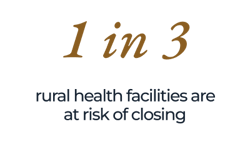
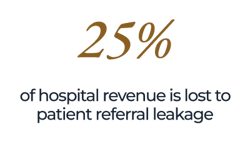
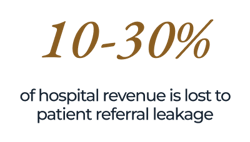
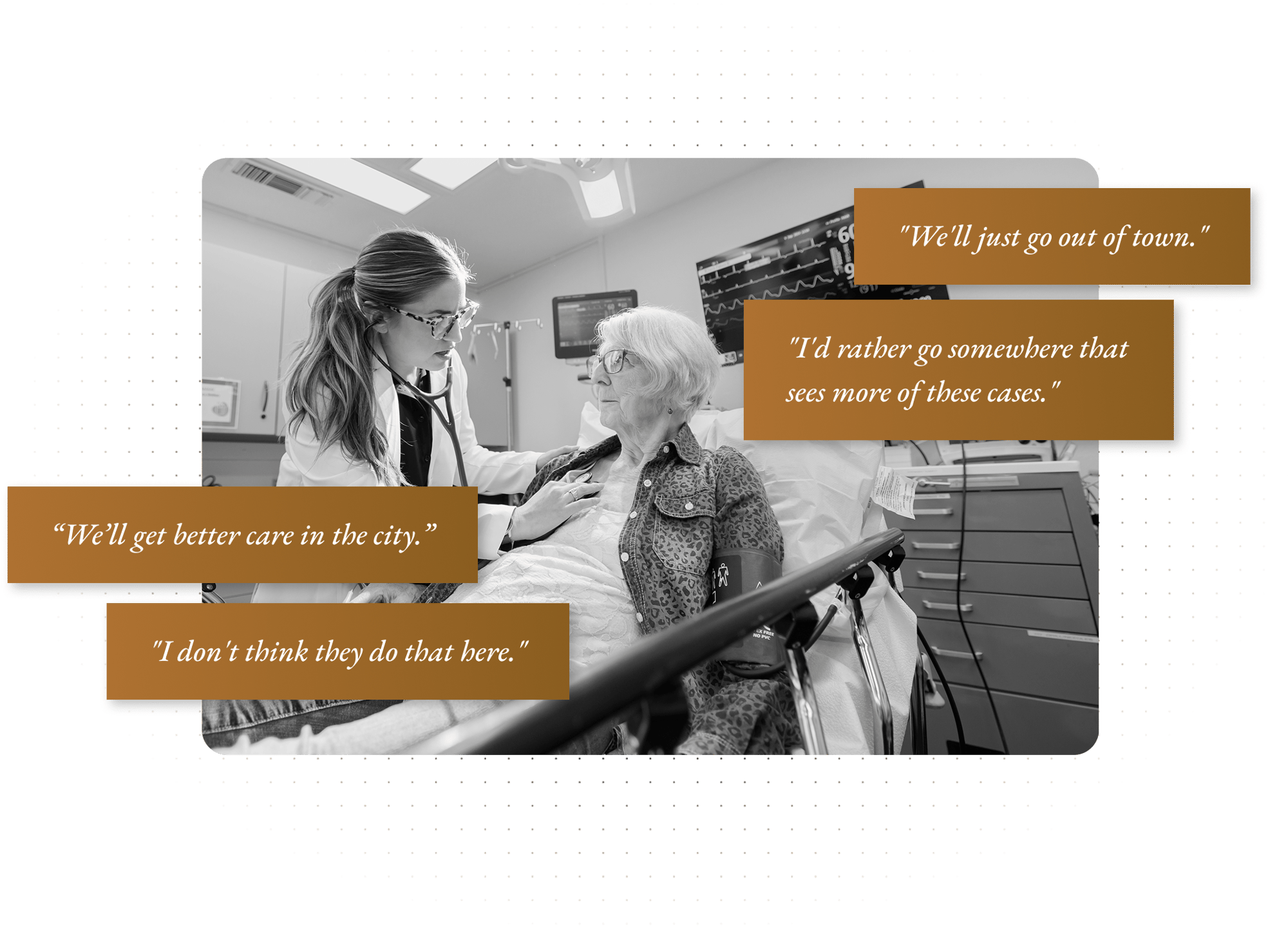
Leakage is happening upstream and most hospitals aren't looking there.

LOSS OF HIGH-VALUE SERVICE LINE VALUE
High-margin procedures and specialty visits leave your system before you have a chance to compete

REDUCED CONTRIBUTION MARGIN ACROSS SPECIALTIES
As volume erodes, margin follows — compounding the impact across departments

MISSED DOWNSTREAM REVENUE
Diagnostics, procedures and follow-up visits that never happen at your facility

01
Schedule
Choose a 30-minute time that works for you.
02
Explore
Together, we'll explore your visibility gaps, perception barriers and the patient assumptions shaping decisions.
03
Identify
We'll identify where early-stage patient decisions may be affecting retention, downstream care and service line growth.
Gain clarity where it matters
Hospital leaders who've worked through these insights with us come away with a clearer picture — and a foundation for growth that addresses the right problem.
A clearer picture of where patients are leaving the local market.
Which service lines are most at risk of early-stage leakage.
Where the highest-leverage opportunity to intervene actually is.
A strategy shaped by the right problem — not a downstream symptom.
Start with our self-assessment
It takes less than five minutes. It’s designed to help you identify whether early-stage patient decision leakage may be a factor and identify any organizational gaps.
We've been studying this problem across rural communities
Kinetic works with rural healthcare organizations to help keep more care local by identifying where patients are being lost and strengthening how providers show up during key decision moments.

Interested in the research?
We're speaking with a limited number of hospital leaders this quarter. If patient leakage and service line growth are priorities for your organization, we'd be glad to share what we're finding.